How To Manage Risk In Investing In FTSE 100
Investing in the FTSE 100 involves more than just picking the biggest companies in the UK.1 As the index pushes past historic milestones in 2026, managing risk is the difference between a volatile rollercoaster and a steady wealth-building journey.2
While the “Footsie” is home to 100 of the world’s most established firms, it carries specific risks—from sector over-concentration to global geopolitical shocks.3 Here is how to build a robust risk management strategy.
1. Neutralize “Sector Concentration” Risk
The FTSE 100 is notoriously “top-heavy.” It is dominated by three main sectors: Financials, Energy, and Mining.4 * The Risk: If oil prices crash or interest rates shift unexpectedly, a huge portion of the index moves in unison.
- The Fix: Don’t let the FTSE 100 be your entire portfolio. Balance it with the FTSE 250 (which contains mid-sized, UK-focused growth companies) or a Global Tech ETF to gain exposure to sectors like AI and software, which the FTSE 100 lacks.
2. Manage “Currency Volatility”
Unlike many national indices, the FTSE 100 is a global beast.5 Approximately 80% of its revenue is generated outside the UK in foreign currencies (mostly US Dollars).6
- The Risk: When the Pound (£) strengthens, the value of those overseas earnings drops when converted back to Sterling, which can drag down share prices.
- The Fix: Consider Currency Hedged ETFs. These funds use financial instruments to “lock in” exchange rates, ensuring your returns are driven by the companies’ performance rather than swings in the FX market.
3. The “Five-Year Rule” & Smoothing Volatility
Market “noise”—like the recent 2026 geopolitical tensions regarding trade alliances—can cause short-term dips.7
- Pound-Cost Averaging: Instead of a lump sum, invest a set amount monthly.8 When the market is down, your money buys more shares; when it’s up, it buys fewer. This lowers your average cost over time.
- Time Horizon: History shows that the probability of losing money in the FTSE 100 drops significantly the longer you hold.
4. Defensive “Moats” and Dividend Scrutiny
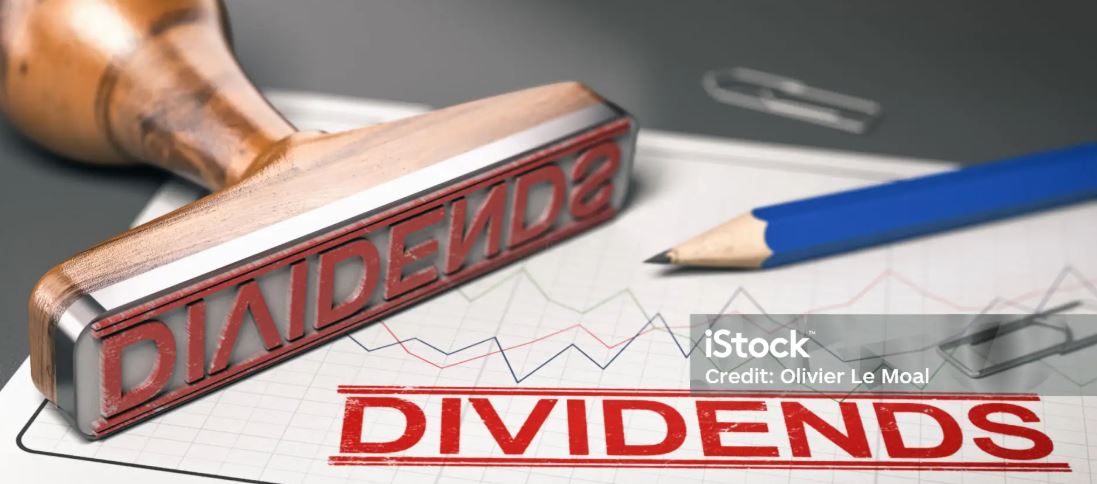
The FTSE 100 is famous for high dividends (averaging ~3.4% in early 2026).9 However, a high yield can sometimes be a “dividend trap”—a sign that a company is in trouble and its share price has plummeted.10
- Check the “Cover”: Look for companies whose earnings are at least twice their dividend payout.
- Prioritize Defensive Stocks: In uncertain times, look for “Value” stocks in utilities or consumer staples (e.g., National Grid or Unilever).11 These tend to have “economic moats”—loyal customers and essential services that survive recessions better than cyclical stocks like miners.
5. Use Strategic “Hedging”
For more advanced beginners, you can protect a large FTSE 100 position during market crashes without selling your shares.
- Inverse ETFs: These funds are designed to move in the opposite direction of the FTSE 100. If the index falls 1%, the fund rises 1%. Holding a small amount of an “Inverse FTSE 100” fund acts like an insurance policy during a downturn.
- Stop-Loss Orders: Most platforms allow you to set an automatic “sell” trigger if a stock falls by a certain percentage (e.g., 10%). This prevents a manageable dip from becoming a catastrophic loss.
Summary Risk Checklist
| Risk Type | Mitigation Strategy |
| Market Crash | Diversify into Bonds/Gold and use Pound-Cost Averaging. |
| Sector Slump | Add exposure to the FTSE 250 or US S&P 500. |
| Currency Risk | Use “GBP Hedged” versions of FTSE 100 ETFs. |
| Inflation | Focus on commodity-linked stocks (Miners/Energy). |