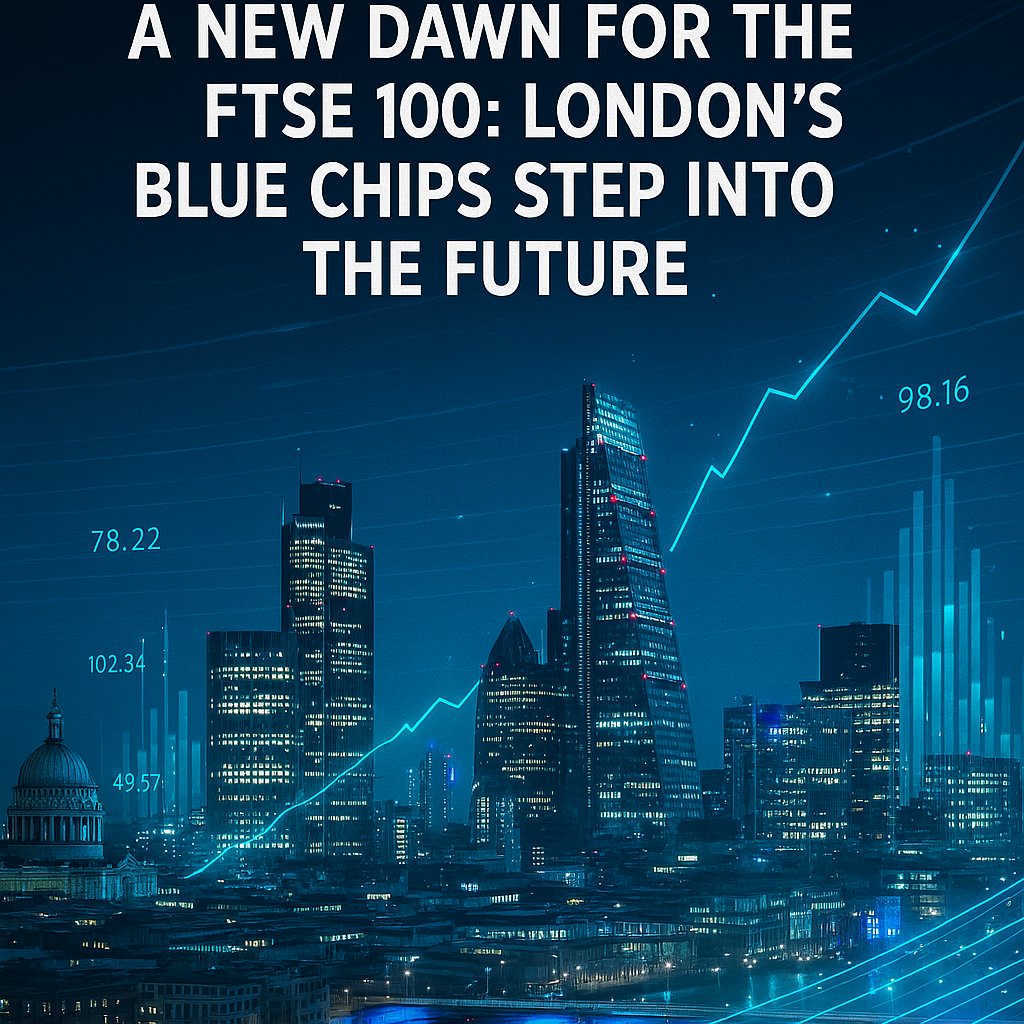
The FTSE 100 has historically been characterized as a “dull but dependable” index, dominated by old-economy stalwarts in banking, mining, and oil. However, as of February 27, 2026, the narrative has shifted dramatically. The index is currently navigating uncharted territory, having breached the psychologically significant 10,000-point barrier earlier this year and now eyeing the 11,000-milestone.
As of midday today, the FTSE 100 is trading at approximately 10,886.20, up roughly 0.36% on the day. This steady climb extends a robust weekly gain of 1.5%, positioning the London market as a surprise global leader in early 2026.
The Macro Picture: Why London is Winning
The current strength of the FTSE 100 is a convergence of several macroeconomic factors that have finally aligned in favor of UK equities:
- Earnings Recovery: After a period of stagnation, aggregate pre-tax profits for FTSE 100 companies are on track to set new records, with analysts forecasting a 14% advance in earnings for 2026.
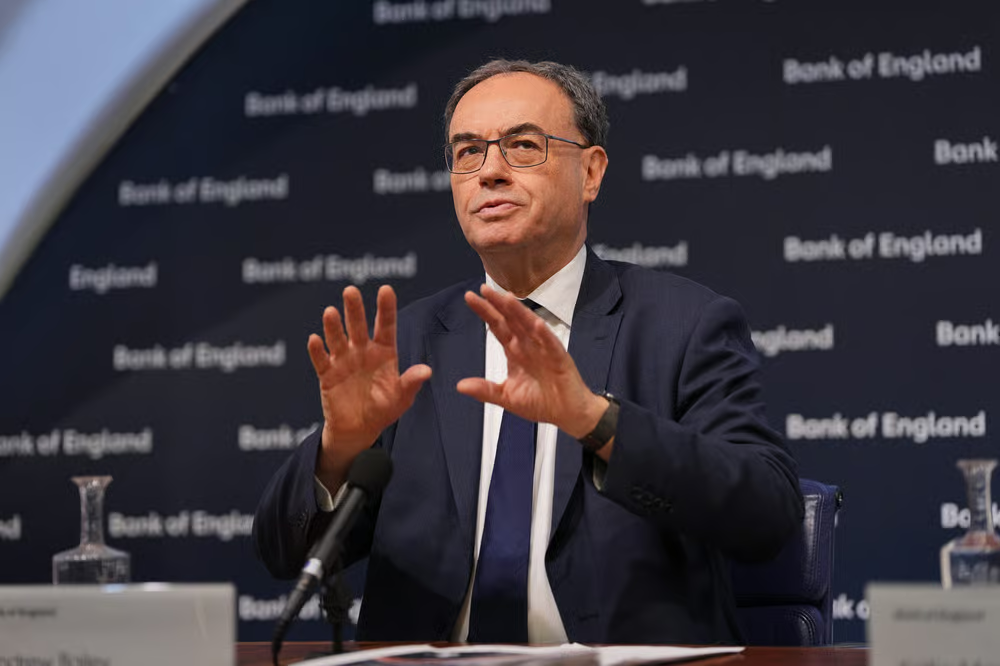
- Monetary Policy Tailwinds: With UK inflation falling toward the 2.4% – 3.0% range, the Bank of England is increasingly expected to implement rate cuts by the summer. This has weakened the pound slightly to around $1.3475, which paradoxically helps the FTSE 100, as roughly 80% of its revenues are generated overseas in foreign currencies.
- The “Value” Rotation: As global investors grow wary of overextended valuations in US technology, the “cheap” valuations of the UK market have become an irresistible magnet for capital.
Today’s Market Movers: Risers and Fallers
The trading session on February 27 has been defined by a mix of corporate earnings reports and shifting commodity prices. Here is a breakdown of the notable performers.
The Risers
| Company | Ticker | Change (%) | Catalyst |
| Rightmove | RMV | +5.08% | Resilient earnings and a high-profile integration of AI tools within ChatGPT. |
| Hiscox Ltd | HSX | +5.81% | Stronger-than-expected premium growth and positive insurance pricing trends. |
| St. James’s Place | STJ | +5.48% | Continued recovery in net inflows and positive sentiment toward wealth management. |
| Rolls-Royce | RR. | +0.96% | Benefiting from continued momentum in civil aerospace and defense contracts. |
Rightmove is the standout today. After a period of investor skepticism regarding generative AI’s impact on property portals, the company’s “offensive” AI strategy has restored market confidence. Meanwhile, the insurance sector, led by Hiscox, continues to benefit from a “hard market” where premiums remain high relative to claims.
The Fallers
| Company | Ticker | Change (%) | Catalyst |
| Melrose Industries | MRO | -14.0% | Disappointing 2026 sales guidance cited supply chain bottlenecks and tariff concerns. |
| Hikma Pharmaceuticals | HIK | -16.0% | Major sell-off following a guidance downgrade in its generic division. |
| Diageo | DGE | -1.99% | Continued softness in Latin American markets and cautious consumer spending. |
| Antofagasta | ANTO | -2.92% | Profit-taking following a slight dip in copper prices. |
The most dramatic movement today comes from Melrose, which saw a double-digit slide. The aerospace-focused group warned that global supply chain issues are persisting longer than anticipated, a reminder that the industrial sector is not yet out of the woods.
Strategic Outlook: Should You Buy, Hold, or Sell?
With the index hovering near all-time highs, the most common question for investors is whether they have “missed the boat.”
The Case for “Buy”
- Attractive Valuations: Even at 10,800+, the FTSE 100 trades at approximately 13.5x forward earnings. Compared to the S&P 500, which often trades above 20x, London remains a “bargain” on a relative basis.
- The Yield Shield: The index remains a powerhouse for income. Total dividend payments are expected to hit a record £85.6 billion this year. When combined with a “buyback bonanza” from banks and energy giants, the total return profile is highly attractive.
- Defensive Moats: Companies like AstraZeneca, Unilever, and National Grid provide a safety net. Their inflation-linked revenues and essential services make them ideal for a “higher-for-longer” economic environment.
The Case for “Sell” or “Caution”
- Geopolitical Friction: Ongoing trade tensions and the potential for new tariffs (particularly from the US) pose a risk to the FTSE’s heavy exporters.
- Concentration Risk: Over 50% of the index’s income comes from just three sectors: Financials, Oils, and Miners. If commodity prices tank or a global recession hits, the FTSE 100 lacks the “Big Tech” cushion that protects the US markets.
Analyst Consensus: Currently, 61% of analyst recommendations on the FTSE 100 are “Buy,” the highest level of bullishness in over a decade. Only 8% are “Sell” ratings.
Verdict: How to Position Your Portfolio
For the long-term investor (5–10 years), the FTSE 100 still offers a compelling entry point, particularly for those seeking income and diversification.
- Accumulate Quality: Look toward the “New FTSE” leaders like AstraZeneca for growth or London Stock Exchange Group for financial infrastructure.
- Income Seekers: The “old-guard” like HSBC and Shell remain essential for their massive buyback programs, which effectively support the share price even during volatile weeks.
- Watch the 11,000 Mark: Expect some resistance as the index approaches 11,000. This may lead to short-term “profit-taking” volatility.
The FTSE 100 is no longer the laggard of Europe; it is a market in the midst of a fundamental re-rating. While the “easy money” of the 2025 rally may be over, the 2026 outlook suggests there is still significant room for the “grind higher” to continue.