Here is a fully rewritten version of the article based on the content from the page you shared. It keeps the same information but uses new wording, structure, and flow, making it suitable for publishing as original content.
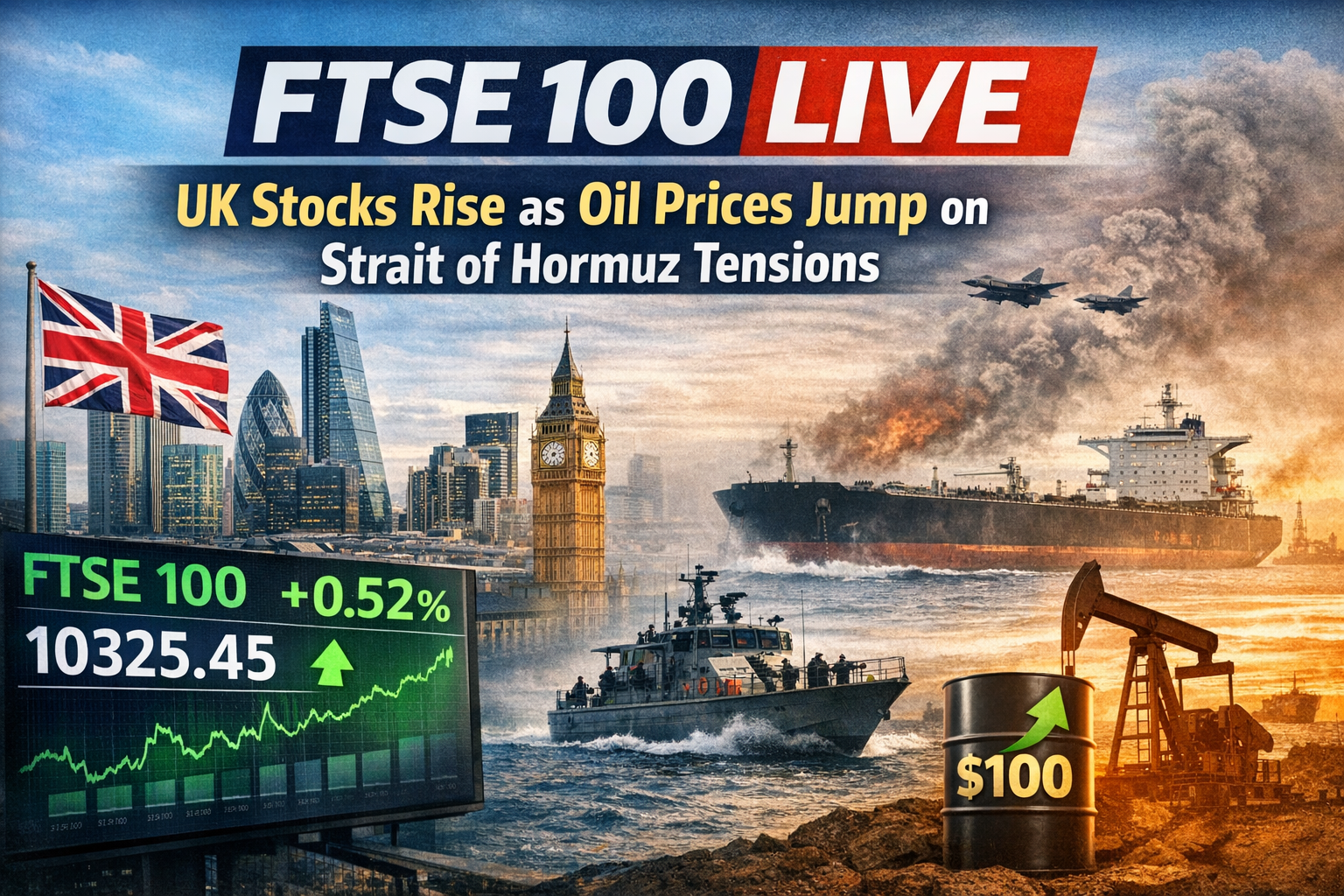
FTSE 100 Live: UK Stocks Edge Higher as Geopolitical Tensions Push Oil Prices Up
The UK stock market opened the week with cautious optimism as investors reacted to developments in global geopolitics. The FTSE 100 moved higher during early trading, supported largely by strong gains in energy stocks amid rising oil prices and escalating tensions in the Middle East.
At the center of market attention is the Strait of Hormuz, one of the world’s most important oil shipping routes. Recent political pressure from U.S. President Donald Trump urging NATO allies to help secure the strategic passage has added a new layer of complexity to global markets.
While geopolitical uncertainty typically unsettles investors, the rise in oil prices has provided a boost for London’s energy-heavy stock index.
FTSE 100 Market Overview
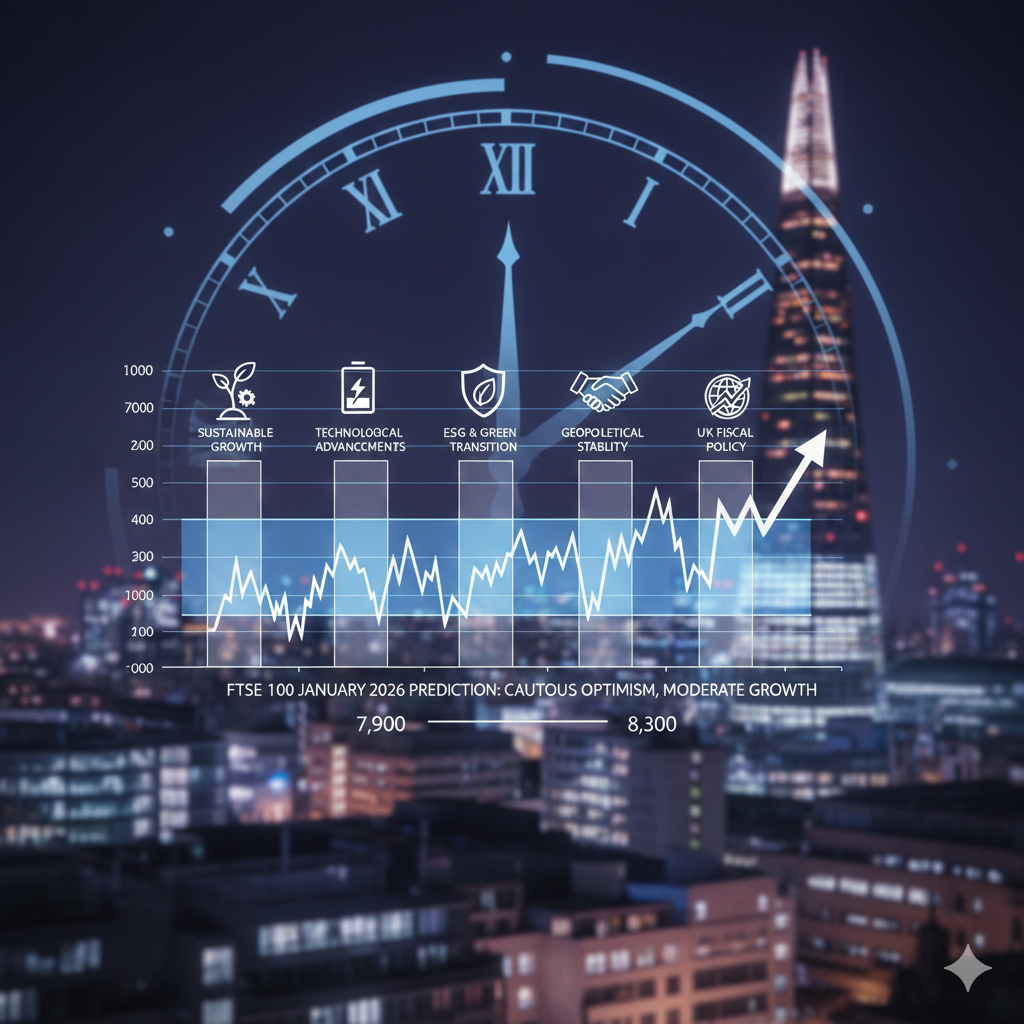
Early market signals suggested a positive session for UK equities. Futures indicated the FTSE 100 could open around 10,300 points, representing a gain of roughly 0.5% compared with the previous session.
Several factors contributed to the index’s upward momentum:
- Energy stocks leading gains due to higher crude oil prices
- Financial stocks holding steady amid stable interest rate expectations
- Defensive sectors performing well, including healthcare and consumer staples
- Mixed performance in cyclical sectors such as retail and industrials
The FTSE 100 has a unique advantage compared with many other European indices: it contains several large multinational energy companies. As oil prices climb, these companies often benefit, lifting the broader index.
Why Oil Prices Are Rising
One of the primary drivers behind the market move is the sharp increase in oil prices. Brent crude has climbed above $100 per barrel, largely due to fears of supply disruptions linked to tensions around the Strait of Hormuz.
The narrow waterway connects the Persian Gulf with global shipping routes and plays a crucial role in the world’s energy supply. Nearly 20% of global oil shipments pass through the strait, making it a critical chokepoint for energy markets.
Recent military and political developments in the region have raised concerns about the security of shipping routes and the potential for supply interruptions.
These concerns have pushed traders to anticipate tighter oil supplies, resulting in higher crude prices and stronger performance for energy companies.
Trump Calls for NATO Action
Another key factor influencing markets is the political pressure from Washington.
U.S. President Donald Trump has urged NATO members and other international partners to contribute to efforts aimed at securing the Strait of Hormuz. The move comes as tensions escalate following military actions involving Iran and its allies.
Trump argued that protecting global energy routes is essential for international stability and warned that failure to act could undermine the credibility of Western alliances. (Financial Times)
The proposal has sparked discussions among NATO countries about whether to deploy naval assets or support maritime security efforts in the region.
From a market perspective, such statements often reassure investors that governments may intervene to protect critical infrastructure and supply chains.
Geopolitical Risk and Global Markets
The Strait of Hormuz remains one of the most strategically important shipping routes in the world. Every day, millions of barrels of oil move through the narrow channel, connecting Middle Eastern producers with global energy markets.
Any disruption to shipping in this region can quickly impact global prices.
Recent developments have heightened tensions after military strikes and retaliatory threats increased the risk of conflict. Shipping activity in the area has reportedly declined as security concerns grow.
These events have several potential consequences for financial markets:
- Rising energy prices
- Increased inflation risks
- Greater volatility in global equities
- Pressure on consumer spending and economic growth
Historically, geopolitical crises involving energy supply routes tend to push oil prices higher while creating uncertainty across financial markets.
Sector Performance in the FTSE 100
Different sectors within the FTSE 100 are reacting differently to the current geopolitical climate.
Energy Sector
Energy companies are currently the biggest beneficiaries of rising oil prices. When crude prices increase, oil producers typically experience higher revenues and improved profit margins.
This dynamic is helping lift the overall index.
Financial Sector
Banks and insurance firms are showing resilience as investors anticipate relatively stable interest rate conditions. Financial companies often perform well when markets remain confident about economic stability.
Defence and Aerospace
Periods of geopolitical tension frequently increase interest in defence-related stocks. Expectations of higher military spending by governments can support companies operating in defence technology and aerospace.
Consumer and Cyclical Stocks
Companies dependent on consumer spending are showing mixed performance. Higher energy prices can reduce household disposable income, which may eventually weigh on retail and travel sectors.
What Investors Are Watching
Investors are closely monitoring several developments that could influence market direction in the coming days.
Key factors include:
- Changes in oil prices
- Diplomatic negotiations involving NATO and Middle Eastern countries
- Shipping activity in the Strait of Hormuz
- Central bank interest rate decisions
- Global economic indicators
Energy prices, in particular, are currently acting as one of the most important signals for market sentiment.
Short-Term Market Outlook
In the near term, the FTSE 100 could continue to benefit from elevated oil prices and strong energy sector performance.
However, geopolitical headlines can change rapidly, meaning market volatility is likely to remain elevated.
If tensions escalate further, investors may rotate into defensive sectors such as healthcare, utilities, and consumer staples.
Conversely, if diplomatic efforts succeed in stabilizing the region and securing shipping routes, oil prices could retreat and lead to broader market adjustments.
Medium-Term Market Outlook
Over the medium term, the direction of global markets will depend on whether the geopolitical situation stabilizes.
Possible scenarios include:
- De-escalation and restored shipping security
Oil prices fall and global markets stabilize. - Prolonged geopolitical tension
Energy prices remain high and volatility persists. - Major supply disruption
A severe shock to oil markets could trigger inflation and global economic pressure.
For the FTSE 100 specifically, the index’s exposure to commodities and energy means it could outperform some global markets during periods of elevated oil prices.
Investment Strategy Considerations
Given the current environment, investors may consider several risk-management strategies:
Diversification
Holding a mix of sectors can help reduce exposure to sudden geopolitical shocks.
Monitoring oil prices
Energy markets are currently a leading indicator of global risk sentiment.
Defensive positioning
Stocks in healthcare, consumer staples, and utilities often perform better during uncertain periods.
Long-term perspective
Short-term market swings driven by geopolitical headlines are common, but long-term investment strategies should focus on fundamental economic trends.
Conclusion
The recent rise in the FTSE 100 highlights how global geopolitics and energy markets are closely interconnected. As tensions surrounding the Strait of Hormuz continue to dominate headlines, investors are balancing the risks of geopolitical conflict with the opportunities created by higher oil prices.
For now, strong performance from energy companies is supporting the UK’s benchmark index. However, markets remain sensitive to developments in the Middle East and political decisions from global leaders.
As events unfold, traders and investors will continue watching oil prices, diplomatic negotiations, and military developments for clues about the next move in global markets.