A Deep Dive into FTSE 100 Index Companies
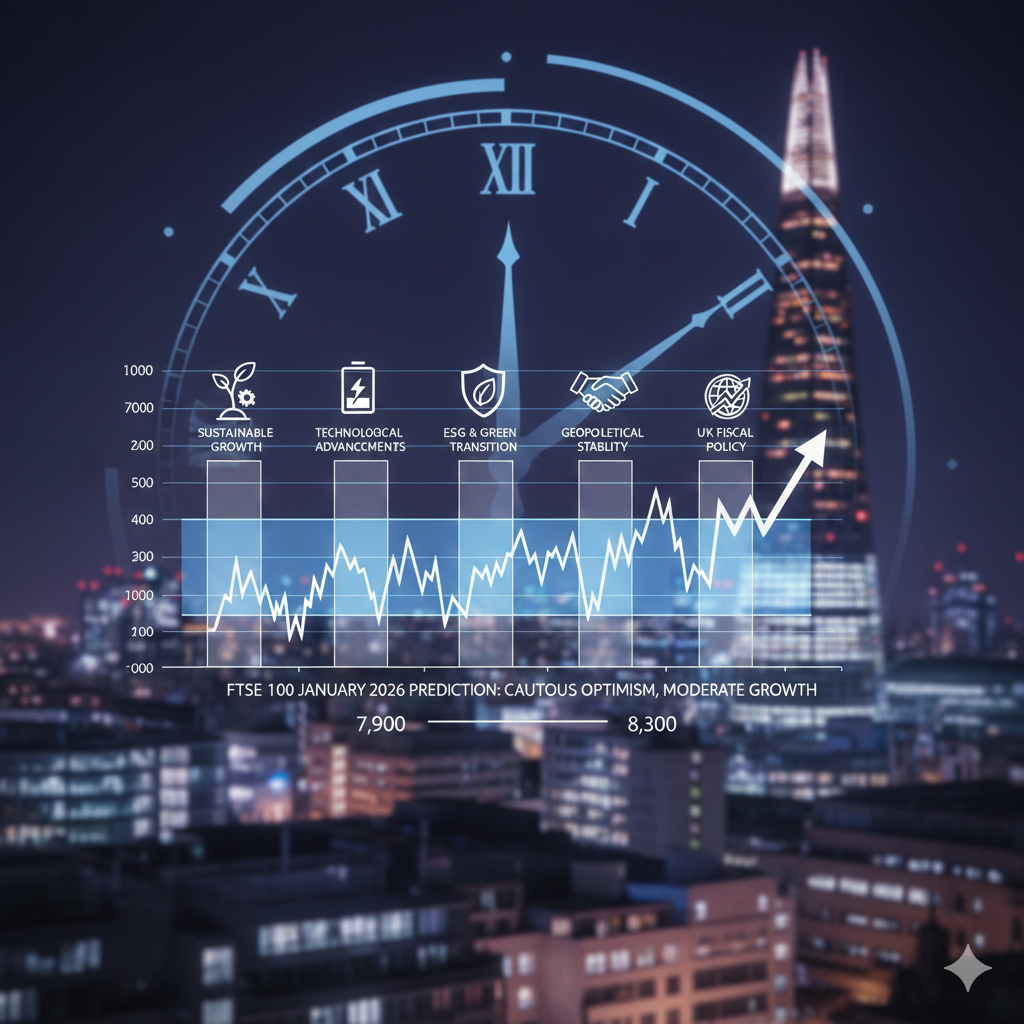
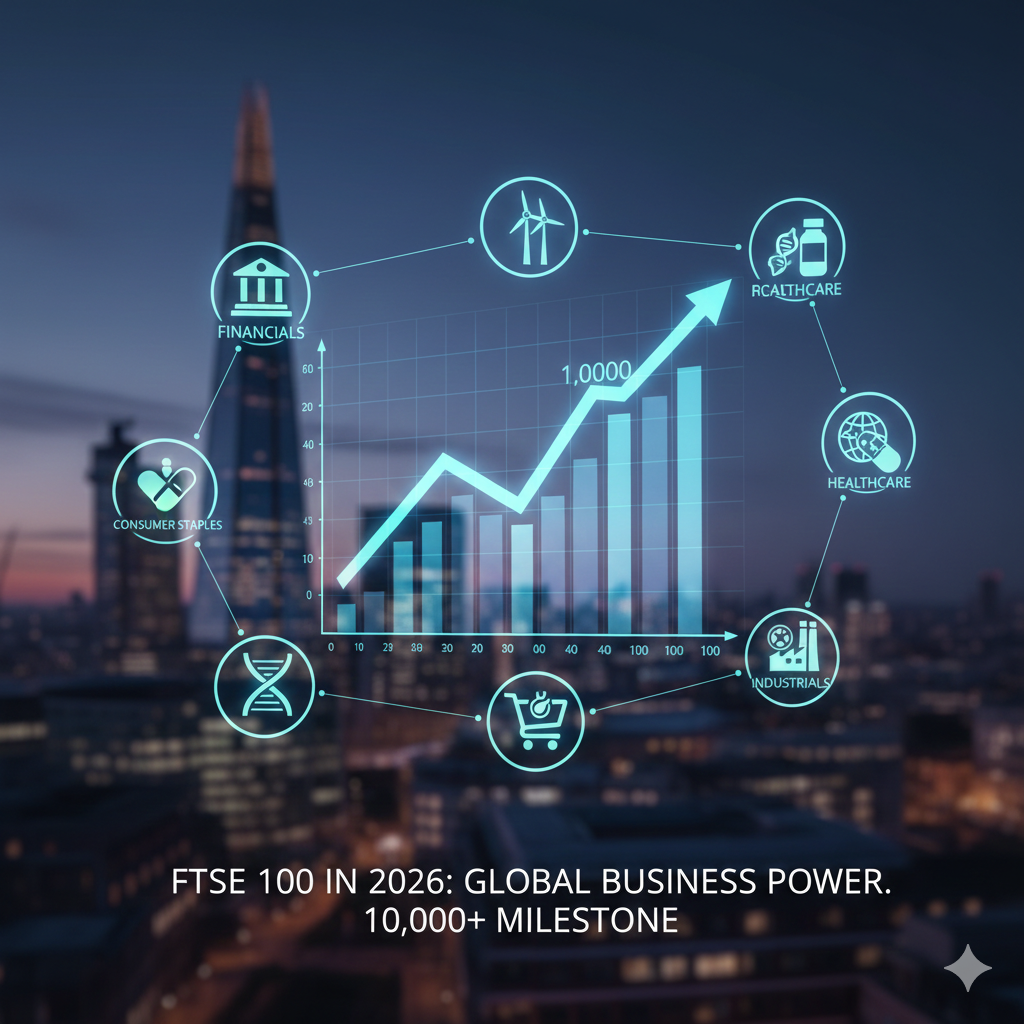
As we navigate through early 2026, the FTSE 100—the index of the 100 largest companies listed on the London Stock Exchange—remains a cornerstone of global finance. Often nicknamed the “Footsie,” it serves as a powerful indicator of international corporate performance.1
What makes the FTSE 100 index companies unique is their global footprint. Over 75% of the revenue generated by these firms comes from outside the United Kingdom, meaning when you invest in the FTSE 100, you are essentially investing in the global economy.
The “Big Four” Pillars – FTSE 100 index companies
A handful of companies hold massive weight within the index due to their enormous market capitalization. Their performance often dictates the movement of the entire index.
- AstraZeneca (Healthcare): A global biopharmaceutical leader and currently the largest constituent.2 Its dominance in oncology and rare disease treatments keeps it at the forefront of the healthcare sector.3+1
- Shell (Energy): A dual-listed energy giant.4 In 2026, Shell is a study in transition, balancing its traditional oil and gas profits with multi-billion pound investments in hydrogen and EV infrastructure.
- HSBC Holdings (Financials): Representing the “Old Economy” but with a modern “Pivot to Asia,” HSBC connects Western capital with emerging Eastern markets.5
- Unilever (Consumer Goods): From Ben & Jerry’s to Dove soap, Unilever provides the index with stability. Its defensive nature means it often holds firm even when more volatile sectors stumble.
Key Sector Breakdown
The FTSE 100 is not a monolith; it is a tapestry of different industries that reflect the changing needs of the 21st century.
| Sector | Representative Companies | 2026 Strategic Focus |
| Banking | Barclays, Lloyds, NatWest | AI-driven fraud detection & digital retail banking. |
| Mining | Rio Tinto, Glencore, Antofagasta | Securing lithium and copper for the “Green Revolution.” |
| Defense | BAE Systems, Rolls-Royce | Next-gen aerospace and autonomous defense systems. |
| Luxury | Burberry | Expanding footprint in the resurgent high-end Asian markets. |
The Evolution of the Index in 2026 –
The 2026 landscape for FTSE 100 companies is defined by Adaptability.
- The Green Transition: Mining giants like Rio Tinto are no longer just “coal and iron” companies; they are now essential providers of the raw materials needed for electric vehicle batteries.6
- Technological Integration: While the UK lacks a “Silicon Valley” equivalent in its top index, companies like RELX and London Stock Exchange Group (LSEG) have transformed into data and analytics powerhouses.7
- Resilience in Trade: Despite the ongoing trade tensions over Greenland and transatlantic tariffs, these 100 companies have diversified their supply chains to maintain profitability in a fractured geopolitical world.
Did You Know? The list of FTSE 100 companies isn’t permanent. It is reviewed quarterly in March, June, September, and December.8 If a company’s value drops too far, it is relegated to the FTSE 250, making room for a rising star to join the “Top 100.”
Conclusion
The FTSE 100 index companies represent the “Blue Chips” of the world. They are the established, dividend-paying stalwarts that provide the foundation for many pension funds and private portfolios. In 2026, they continue to bridge the gap between traditional industrial strength and the digital, sustainable future.